Library Checkout Pocket: A Craft Fair Embroidery Review
As an experienced embroidery designer preparing for the upcoming weekend craft fair season, I am constantly evaluating which digital assets will translate best into physical sales. When reviewing the Library Checkout Pocket machine embroidery design, my immediate assessment focuses on its commercial viability for handmade vendors. This design evokes a distinct sense of nostalgia mixed with academic charm, fitting perfectly within the School category while appealing to a broader demographic of book lovers and vintage enthusiasts. For Etsy sellers and boutique makers, this is not just a cute graphic; it is a potential anchor product for a cohesive booth display.
First Impressions and Market Appeal
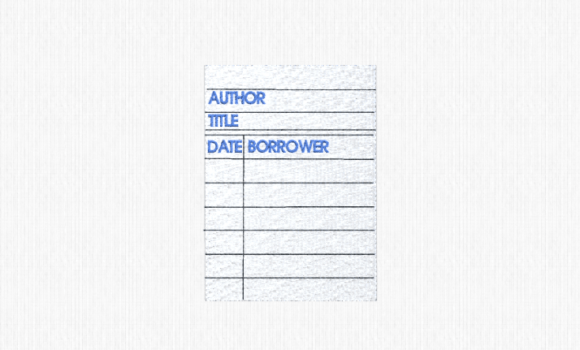
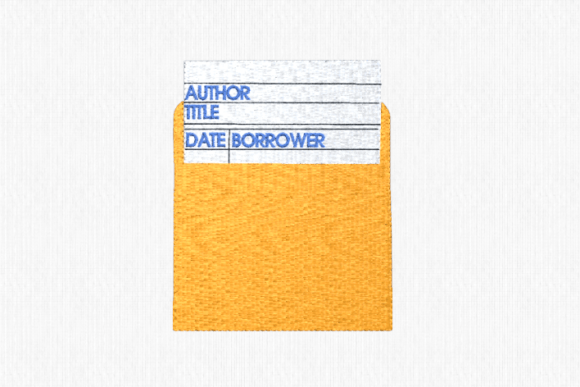
Upon loading the embroidery file into my software, the Library Checkout Pocket presents as a bright and cheery decoration that balances retro aesthetics with modern readability. The visual weight suggests it is neither too delicate nor overly aggressive, making it versatile for various applications. In a crowded market environment, customers are drawn to items that tell a story or evoke a memory. This design succeeds because it mimics a tangible object—the classic library card—creating an instant emotional connection. It feels premium yet accessible, avoiding the cheap clip-art look that can sometimes plague school-themed embroidery. For creative entrepreneurs, this mood is essential; it signals quality handmade craftsmanship rather than mass production.
Best Performing Products for Booth Displays
When planning a table layout featuring tote bags, aprons, tea towels, patches, caps, pouches, and pillow covers, strategic placement of the Library Checkout Pocket is key. Based on the design’s dimensions and theme, here is how I evaluate its performance across different blank products:
- Tote Bag Design: This is likely your highest ROI item. The checkout pocket motif works exceptionally well centered on canvas totes. It appeals directly to readers who need a sturdy bag for library visits or farmers markets. The design acts as a conversation starter, increasing buyer engagement at the booth.
- Tea Towel Embroidery: Flour sack towels or linen blends provide the ideal fabric texture for this design. The nostalgic nature of a library card pairs beautifully with kitchen textiles, positioning them as giftable handmade items rather than just utilitarian rags.
- Apron Embroidery: Placing this design on the chest area of a bib apron creates a functional "pocket" illusion. This is a strong seller for teachers, librarians, and homeschoolers looking for professional yet personal gear.
- Embroidered Patch: Because the description notes the design comes with multiple options, creating standalone patches is a smart move for small shop product lines. These can be sold as add-ons or applied to denim jackets and backpacks for a lower price point entry.
- Fabric Pouches and Zipper Bags: Smaller iterations of the design work wonderfully on zipper pouches. These serve as excellent impulse buys near the register or as part of a bundled gift set for students and educators.
Production Practicality and Batch Efficiency
For commercial embroidery businesses, time is money. The Library Checkout Pocket appears optimized for batch production, which is crucial when stocking up for a fair. The design likely utilizes efficient stitch paths, minimizing trims and color changes where possible. However, because it mimics a printed card, legibility is paramount. As a designer, I look for clean satin stitches in the lettering and solid fills in the pocket outline. If the stitch density is balanced correctly, you can run this design repeatedly on different blanks without worrying about registration errors or puckering, provided you use the correct stabilizer. This repeatability allows you to create a uniform collection that strengthens brand consistency across your Etsy listings and physical booth.
Critical Technical Considerations for Makers
While the Library Checkout Pocket is visually appealing, successful execution requires attention to technical details. Before committing to a full production run, consider these careful-use notes to ensure your finished product meets customer expectations:
- Small Lettering Clarity: Library cards inherently contain text. If you resize this digital embroidery file down significantly, verify that the smallest text remains readable. Thin serifs may disappear or cause thread breaks on textured towels. Always test the minimum viable size before selling.
- Fabric Texture Interaction: On high-pile terry cloth or waffle weave towels, the fine lines of a checkout card can get lost. Use a water-soluble topping to keep the stitches crisp and visible. Without this step, the design may look muddy in person, even if it looks perfect on screen.
- Curved Surfaces: If applying this to caps, be aware that the rectangular shape of a library card can distort on a curved brim. You may need to adjust the hoop size or use a specific cap frame to maintain the geometric integrity of the pocket shape.
- Thread Colors and Contrast: The description mentions a "bright and cheery" aesthetic. Ensure your thread colors contrast sufficiently against dark fabrics. A white or cream card on a navy tote pops beautifully, but a grey card on a black shirt may vanish in low-light booth conditions.
- Dense Stitch Areas: Check the fill areas for excessive density. Overly dense stitching on lightweight fabrics like quilting cotton can cause warping. Adjusting the underlay or reducing density slightly can preserve the drape of the garment.
Designer Notes for Commercial Success
To maximize the selling potential of the Library Checkout Pocket, treat your preparation phase as seriously as your stitching phase. Always test the design on scrap fabric that matches your final product weight. Confirm the hoop size requirements listed in your embroidery file metadata to avoid purchasing incompatible blanks. Create at least one real mockup by stitching out a sample and photographing it in natural light; printable mockups are useful for digital listings, but craft fair customers want to see actual stitch quality.
Furthermore, review the licensing terms included with the machine embroidery design. While many files allow for the sale of finished products, some restrict the number of units or prohibit digitizing modifications. As a responsible business owner, confirming commercial embroidery rights protects your shop from legal issues. Finally, leverage the "multiple" aspect mentioned in the product description. If the file includes variations (e.g., different dates, names, or colors), use them to offer customization options. Personalization increases perceived value and justifies a higher price point for your handmade product.
Elevating Your Handmade Brand
The Library Checkout Pocket is more than just a seasonal novelty; it is a versatile asset for embroidery business owners targeting the education and literary niches. By understanding its visual strengths, respecting technical limitations, and applying strategic product placement, you can transform this digital file into a best-selling craft fair product. Whether featured on a teacher appreciation gift, a cozy reading blanket, or a stylish market bag, this design carries the warmth and authenticity that handmade shoppers crave. Evaluate it against your current inventory, test it rigorously, and let it help build a memorable, profitable collection for your next market event.