6 Number Six Applique: A Designer’s Stitch-Out Review
When evaluating a new machine embroidery design for my studio, I look past the digital preview and focus entirely on how the file translates to fabric. The 6 Number Six Applique is one of those versatile assets that sits in the sweet spot between functional school gear and boutique-style personalized gifts. As a designer who frequently creates custom apparel and home decor, I approached this specific applique design with a critical eye toward stitch density, edge definition, and overall versatility. It is not just about stitching a number; it is about whether that number can carry the visual weight of a finished product without puckering or losing its charm after washing.
First Impressions and Visual Personality
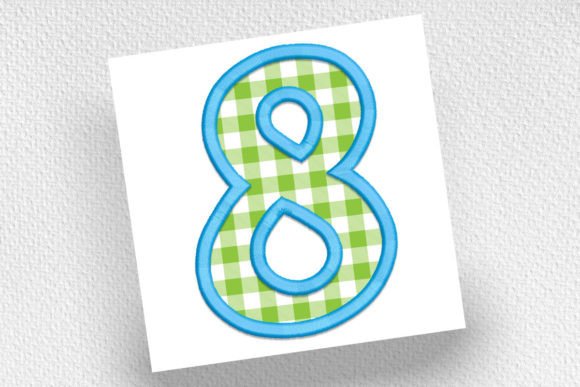
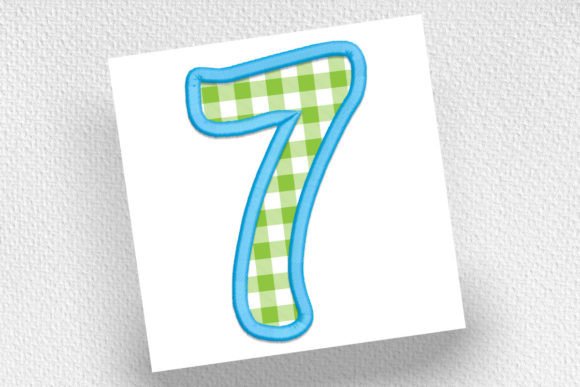
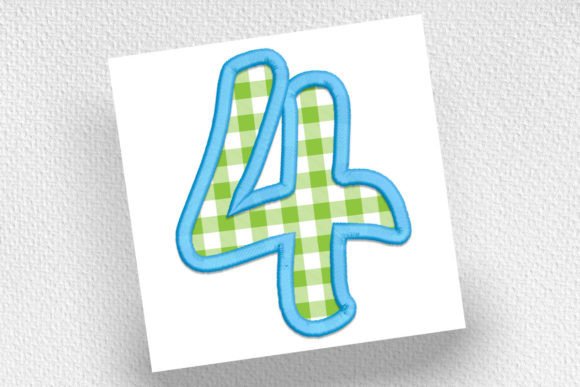
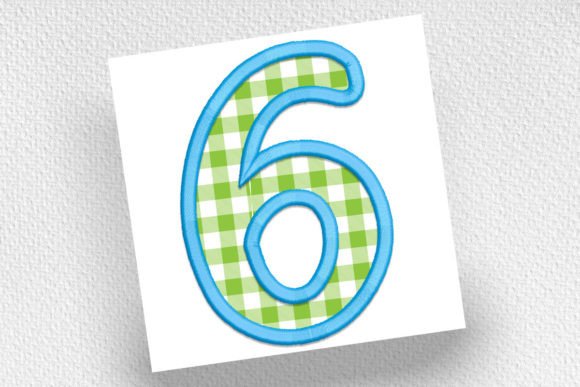
My initial assessment of the 6 Number Six Applique focuses on its silhouette and intended mood. Unlike blocky, athletic-style numerals that scream "varsity," this design carries a softer, more approachable aesthetic. It feels inherently suited for the School category but elevated enough for high-end handmade products. The shape suggests a playful yet clean geometry that works beautifully for kindergarten milestones, sixth-grade graduation keepsakes, or even as a stylized date marker on anniversary pillows.
From a design asset perspective, the proportions appear balanced. In applique work, the ratio of the satin stitch border to the fill area is crucial. If the border is too thin, it fails to secure the fabric; if it is too thick, it overwhelms the numeral. This design seems to respect that balance, offering enough surface area to showcase interesting fabric textures while maintaining a crisp outline that reads well from a distance. For Etsy sellers and craft business owners, this visual clarity is essential for creating effective printable mockups and listing photos that convert browsers into buyers.
Real-World Application: The Custom Sweatshirt Test
To truly judge the viability of this embroidery file, I mentally ran through a recent client project involving a custom sweatshirt for a sixth birthday party. Sweatshirt fleece is a notorious testing ground because of its loft and stretch. When applying the 6 Number Six Applique to this type of garment, the design needs to anchor securely without sinking into the pile.
In this scenario, the design performs best when paired with a medium-weight cutaway stabilizer. The running stitch placement line should be visible enough to guide the fabric placement without being so dense that it creates a ridge under the applique material. I found that using a cotton quilting fabric for the applique layer provided the necessary stability against the fuzzy fleece background. The resulting finish was professional and durable, exactly what a parent expects when paying for custom apparel. This level of reliability is what separates a hobbyist output from a commercial embroidery product that generates repeat customers.
Fabric Considerations and Stabilizer Strategy
Versatility is key for any digital embroidery file in a maker's library, but the 6 Number Six Applique requires thoughtful fabric pairing. While it shines on stable woven fabrics like canvas tote bags or linen tea towels, caution is required for other substrates.
- Stretchy Knits: Always use a fusible backing on your applique fabric before stitching. This prevents the numeral from distorting when the garment stretches during wear.
- Textured Fabrics: On terry cloth or minky, consider using a water-soluble topping. This ensures the satin stitch edge remains smooth and doesn't get lost in the fabric texture, which is vital for baby embroidery items where softness and safety are paramount.
- Dark Fabrics: Contrast is everything. Test your thread colors against dark backgrounds to ensure the tack-down stitches don't create unwanted shadows or visibility issues.
- Sheer or Lightweight Fabrics: Proceed with care. The stitch density of an applique border can sometimes cause tunneling on organza or light voile. A tear-away stabilizer alone may not suffice; a lightweight cutaway is often safer to maintain the drape of the finished product.
Commercial Viability for Small Business Owners
For those running an Etsy shop or a local embroidery business, time is money. The 6 Number Six Applique offers excellent value because of its speed and perceived customization. Unlike complex multi-color designs that require constant thread changes, this applique style allows for efficient production runs. You can stitch out multiple numbers for a classroom set or sports team with minimal downtime.
However, professionalism lies in the details. Before adding this to your commercial embroidery lineup, verify the licensing terms of the specific embroidery file you purchased. Ensure you have the rights to sell finished physical products versus digital files. Furthermore, consistency builds brand trust. If you use this design for a line of nursery decor, maintain consistent thread brands and applique fabric quality across all items. Customers notice when a personalized gift matches the quality shown in your digital previews.
Critical Designer Notes for Success
Even the most well-digitized machine embroidery design can fail if the operator ignores the fundamentals. Based on my experience reviewing similar assets, here are practical steps to ensure the 6 Number Six Applique succeeds in your hoop:
- Always Test Stitch: Never run this design directly on a final product without a test run on scrap fabric of similar weight and weave. Check for registration errors between the placement line and the satin stitch border.
- Verify Hoop Size: Confirm the exact dimensions of the design file against your available hoops. Resizing applique designs by more than 10-15% can distort stitch density and compromise the coverage of the satin stitch edge.
- Thread Tension Check: Applique requires precise tension. If the bobbin thread is visible on top or the top thread is looping underneath, adjust before starting. Poor tension ruins the clean look essential for school and boutique items.
- Fabric Adhesion: Use a temporary spray adhesive or fusible web to hold the applique fabric in place during the tack-down stitch. Shifting fabric is the most common cause of rejected projects.
- Mockup Accuracy: When creating marketing materials, use realistic textures in your printable mockup. Showing the design on a flat vector does not prepare customers for the tactile reality of stitch and fabric.
Elevating the Finished Product
The true measure of the 6 Number Six Applique is how it enhances the perceived value of your work. When executed correctly, it transforms a generic blank item into a cherished keepsake. Whether you are stitching a patch for a backpack, personalizing a holiday stocking, or creating branded merchandise for a small shop, the clean lines and classic form of this numeral provide a solid foundation.
Remember that embroidery is a tactile medium. The interaction between the thread sheen, the applique fabric pattern, and the base garment creates a unique sensory experience that digital prints cannot replicate. By treating this design with technical respect and creative intention, you ensure that every stitch-out reinforces your reputation as a skilled maker. Take the time to understand the nuances of this file, and it will serve as a reliable staple in your embroidery project repertoire for years to come.