Number 4 Applique: A Designer’s Review for Apparel
As an embroidery designer constantly curating collections for boutique apparel, I approach every new digital file with a critical eye. When planning a seasonal lineup of sweatshirts and hoodies, the difference between a generic garment and a premium handmade product often lies in the quality and character of the machine embroidery design. Recently, while sourcing assets for a school-themed and vintage-inspired capsule collection, I evaluated the Number 4 Applique from Creative Fabrica. This review breaks down how this specific design performs in a real-world production environment, focusing on its viability for Etsy sellers, small clothing brands, and apparel decorators who demand professional results.
Visual Personality and First Impressions
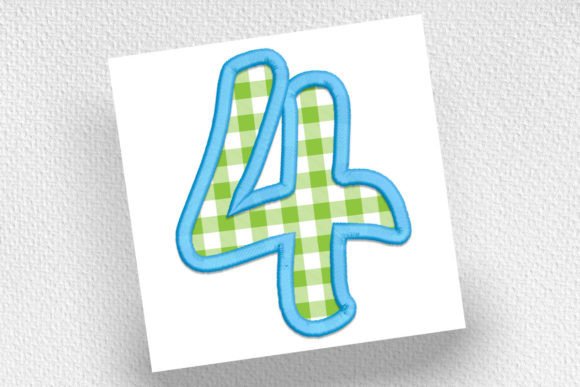
Upon opening the Number 4 Applique file, the immediate impression is one of classic versatility. Unlike overly intricate lace designs or dense fill patterns that can feel stiff on knitwear, this design possesses a balanced visual weight. The aesthetic leans toward a timeless, collegiate charm that feels equally at home on a pastel hoodie for a toddler or a neutral oversized sweatshirt for an adult lifestyle brand. The appliqué style inherently reduces stitch density compared to full-fill digits, which is a massive advantage when working with soft, drapey fabrics where stiffness is the enemy of comfort.
The design carries a playful yet structured mood. It avoids looking too juvenile, making it suitable for a wider demographic range. For a boutique brand, this visual flexibility is crucial. It allows you to maintain brand consistency across different age groups and garment styles without needing to purchase separate files for babies, kids, and adults. The clean lines suggest that the digitizer understood the importance of clear registration marks, which is essential when layering fabric pieces during the embroidery process.
Performance Across Garment Types
In my studio testing, I assessed how Number 4 Applique translates across various substrates commonly used in custom apparel businesses. The performance varied based on fabric texture and garment construction, offering valuable insights for production planning.
Sweatshirts and Hoodies
This is where the design truly shines. On French terry and fleece-backed sweatshirts, the appliqué technique creates a beautiful textural contrast against the brushed interior fabric. For hoodie chest placements, the size and proportion of the number allow for excellent visibility without overwhelming the garment's center line. When tested on oversized silhouettes, the design maintains its integrity even when the fabric drapes loosely. However, because hoodies have significant stretch, using the correct stabilizer is non-negotiable to prevent puckering around the satin stitch borders.
T-Shirts and Lightweight Knits
Applying appliqué to lighter t-shirts requires caution. While Number 4 Applique is optimized for clothing, the added layer of fabric and stitching can sometimes weigh down thin jersey knits. For these projects, I recommend using a lightweight fusible web and a tear-away stabilizer specifically designed for knits. The design works best on heavier weight tees or pocket placements where the fabric has enough structure to support the embellishment without sagging.
Denim Jackets and Tote Bags
For non-stretch woven items like denim jackets and canvas tote bags, this embroidery file performs exceptionally well. The stability of denim provides a perfect foundation for crisp appliqué edges. On tote bags, the Number 4 Applique serves as an excellent anchor for personalization, perhaps paired with a name or initial. The durability of the stitch structure suggests it will hold up well to washing and wear, which is a key selling point for customers buying commercial embroidery products intended for daily use.
Strategic Placement and Design Considerations
While the design is versatile, successful execution depends on intelligent placement. As decorators, we must anticipate how the finished product interacts with the wearer's body and the garment's seams.
- Chest vs. Back Placement: For smaller sizes, a left-chest placement offers a subtle, high-end boutique look. For larger garments or statement pieces, centering the Number 4 Applique on the back yoke or full back creates bold visual impact. Always measure the printable area of your specific blank before hooping.
- Avoiding Seams and Ribbing: Never place this design directly over thick side seams or waistband ribbing. The height variation causes needle deflection and poor stitch registration. If designing near cuffs or collars, ensure there is adequate clearance for the hoop to move freely without catching elastic.
- Stretch Zones: Be mindful of high-stretch areas like the lower belly of a maternity top or the elbow of a fitted sleeve. Appliqué has limited give; placing it in a zone that stretches significantly during wear can cause thread breakage or fabric distortion.
Elevating Brand Value and Customer Trust
For Etsy sellers and handmade business owners, the choice of embroidery design directly influences perceived value. Number 4 Applique contributes to a professional presentation that justifies higher price points. Clean, well-digitized appliqué signals to buyers that the item was crafted with attention to detail, rather than mass-produced with cheap, dense fills that irritate the skin.
Furthermore, this design supports strong visual consistency in marketing. When creating lifestyle product photos or printable mockups for social media graphics, the distinct silhouette of the number photographs clearly even at thumbnail size. This recognition factor helps build brand identity over time. Customers begin to associate that specific stitch style and proportion with your shop, fostering loyalty and repeat purchases. In the competitive landscape of digital sellers and creative entrepreneurs, such cohesive branding is often what separates a hobbyist from a sustainable business.
Essential Technical Notes for Production
Before adding Number 4 Applique to your next collection, adhere to these professional best practices to ensure quality and compliance.
- Verify File Specifications: Always check the Creative Fabrica product details for exact dimensions, stitch count, and included formats. Ensure the hoop size required matches your machine’s capabilities before purchasing. Do not assume compatibility; confirm it.
- Test Stitch-Outs Are Mandatory: Never run this design on a final garment without testing on scrap fabric first. Use a scrap that matches the weight and stretch of your production blank. Inspect the registration of the tack-down stitches and the final satin border. Adjust tension or stabilizer choices based on this test.
- Stabilizer Selection: For fleece and sweatshirt embroidery, a medium-weight cut-away stabilizer usually provides the best long-term support. For t-shirts, consider a poly-mesh or no-show cut-away to prevent shadowing through light-colored fabrics.
- Thread Color Contrast: The visual success of appliqué relies heavily on thread color choice. Test contrasting threads to ensure the number pops against both the appliqué fabric and the base garment. Tone-on-tone threading offers a sophisticated, minimalist vibe, while high contrast reads more sporty and traditional.
- Licensing Compliance: As a responsible business owner, review the license terms provided with the embroidery file. Confirm that the license permits commercial embroidery on finished apparel for sale. Understanding these rights protects your shop and respects the original digitizer’s work.
Final Thoughts for Apparel Decorators
Number 4 Applique represents a solid investment for shops focusing on school spirit wear, birthday outfits, and nostalgic boutique fashion. Its balance of decorative appeal and technical wearability makes it a reliable staple in a digital embroidery library. By pairing this design with proper stabilization techniques and thoughtful garment selection, you can create custom apparel that delights customers and stands the test of time. Whether you are updating your Etsy listings or developing a new private label collection, this design offers the foundational quality necessary for professional results. Always prioritize testing and verification to ensure every stitched piece meets the high standards your customers expect from a dedicated handmade product creator.