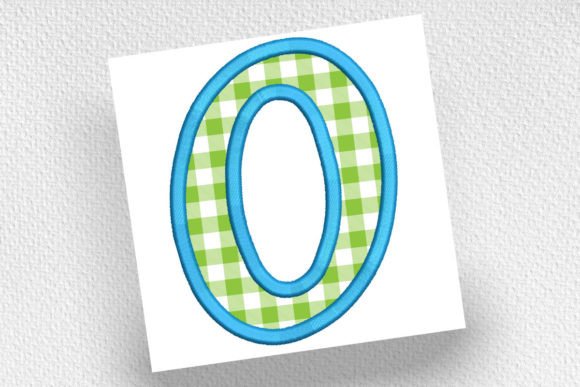
Number 7 Applique: A Designer Review for Business Merch
As an embroidery designer who specializes in commercial branding and merchandise production, I approach every machine embroidery design with a critical eye toward durability, readability, and brand alignment. When evaluating the Number 7 Applique for small business use, my focus shifts from simple aesthetics to functional application. This design is categorized under School, but its utility extends far beyond educational uniforms. For boutique owners, café operators, and Etsy sellers, this digitized numeral offers a versatile foundation for creating cohesive small business merch. In this review, I will break down how this specific appliqué performs in real-world commercial scenarios, where it excels, and where caution is required during production.
Visual Personality and First Impressions
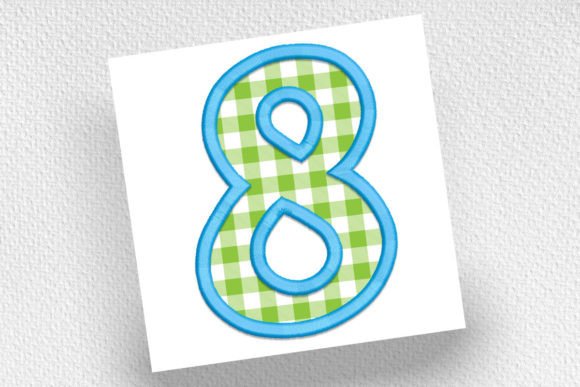
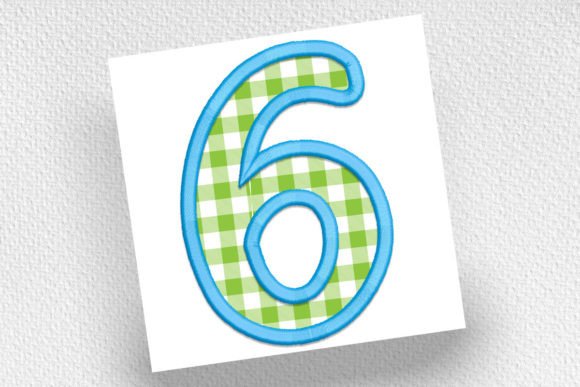
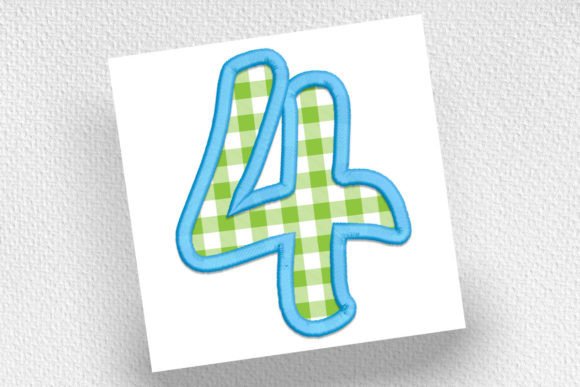
Upon loading the embroidery file, the first impression of Number 7 Applique is one of bold clarity. Unlike intricate floral motifs or dense fill stitches, this design relies on the contrast between fabric and thread to create visual impact. The aesthetic leans towards a classic, handmade charm that feels approachable yet structured. For a business, this balance is crucial. It avoids looking overly industrial while maintaining enough definition to be recognized as intentional branding rather than accidental decoration.
The appliqué style inherently reduces stitch density compared to full-fill numbers. This is a significant advantage for custom apparel and lightweight goods. Heavy, dense stitching can cause fabric puckering or distortion, especially on t-shirts or tote bags. By utilizing fabric as the primary fill, Number 7 Applique maintains a softer hand-feel and better drape. This makes it particularly suitable for businesses selling wearable merchandise where comfort is as important as visibility. The design projects a friendly, artisanal quality that aligns well with bakeries, florists, pet brands, and creative studios aiming for a premium, handcrafted brand identity.
Commercial Applications for Small Business Merchandise
In a professional setting, versatility dictates ROI. I have evaluated Number 7 Applique across several key product categories relevant to small business owners and decorators.
Staff Uniforms and Apron Embroidery
For cafés and boutiques, staff presentation builds customer trust. This design works exceptionally well as a secondary element on apron embroidery or work shirts. Imagine a bakery where staff aprons feature a large "7" to signify a 7th anniversary, a lucky number, or a specific station assignment. Because the appliqué is lighter than traditional satin stitch numerals, it does not weigh down canvas aprons or denim shirts. It allows for breathable, comfortable uniforms that still look polished and branded.
Tote Bag Design and Retail Packaging
Canvas tote bags are staples for farmer's markets and retail shops. Number 7 Applique translates beautifully to unstructured fabrics like cotton canvas or linen. As a tote bag design, it provides high contrast without the stiffness associated with heavy embroidery. This is ideal for reusable shopping bags that need to fold flat. Furthermore, this design can be used on fabric tags or packaging accents for handmade product lines, adding a tactile element that printed labels cannot replicate.
Embroidered Patches and Cap Embroidery
Patches are trending merchandise items for brand engagement. This design serves as an excellent base for an embroidered patch. When backed with merrowed edges or heat-seal backing, the Number 7 becomes a standalone collectible or add-on item. Regarding cap embroidery, the reduced stitch count is beneficial. Caps have limited space and curved surfaces; heavy designs often fail to register correctly or distort the crown. The appliqué method conforms better to the cap structure, provided the placement is centered and the hoop tension is correct.
Production Considerations and Technical Limitations
While Number 7 Applique is versatile, it is not immune to production challenges. As a designer, I must highlight areas where careful execution is necessary to ensure a professional finished product.
- Small Patch Sizes: Appliqué requires precise cutting and tack-down stitches. If you attempt to resize this design too small for tiny patches, the fabric may fray, or the satin border may fail to cover the raw edge. Always verify the minimum size specifications in your software before scaling down.
- Fabric Texture Compatibility: While great for smooth cottons, this design can struggle on highly textured fabrics like terry cloth or thick fleece unless properly stabilized. The fabric piece itself must be securely tacked to prevent shifting during the final border stitch.
- Thread Color Contrast: The success of an appliqué depends entirely on contrast. Using a white fabric piece with white border thread on a light shirt will render the number invisible. For dark uniforms, ensure the appliqué fabric and border thread provide sufficient luminance against the garment color.
- Wash Durability: For items requiring frequent laundering, such as chef coats or barista aprons, the raw edge of the appliqué must be fully encapsulated by the satin border. Inspect the digitizing to ensure adequate overlap. If the border is too narrow, fraying will occur after multiple wash cycles, degrading the brand image.
Impact on Brand Identity and Customer Trust
Why choose embroidery over print for a simple number? The answer lies in perceived value. An embroidered numeral signals permanence and care. When a customer sees Number 7 Applique on a product label or staff uniform, it communicates that the business invests in quality details. This tactile experience enhances brand identity in ways digital printing cannot. For Etsy sellers and craft businesses, using consistent design assets like this numeral creates visual continuity across diverse product lines. Whether marking a collection number, a founding date, or a tiered pricing system, the stitched format elevates the item from generic to bespoke.
Furthermore, consistency breeds recognition. If your business uses Number 7 Applique on caps, aprons, and tote bags, customers begin to associate that specific texture and style with your brand. This subconscious association drives loyalty and justifies premium pricing. However, this only works if the execution is flawless. Sloppy registration or fraying edges will have the opposite effect, signaling amateurism rather than craftsmanship.
Designer Notes for Professional Execution
Before running a full production batch of commercial embroidery using this design, adhere to these professional protocols:
- Test in Black and White: Before committing to brand colors, run a test sew-out in black thread on white fabric (or vice versa). This isolates the structural integrity of the design from color variables, allowing you to check registration and tension purely.
- Verify Hoop Size and Stabilizer: Do not guess. Confirm the exact dimensions of Number 7 Applique and select the appropriate hoop size. Use a cut-away stabilizer for stretchy knits and tear-away for stable wovens. The wrong stabilizer is the most common cause of appliqué failure.
- Create a Printable Mockup: Always generate a printable mockup or physical sample for client approval before mass production. Digital screen views do not accurately represent stitch texture or fabric sheen. Physical verification prevents costly rework.
- Check Commercial Licensing: Before selling merchandise featuring this design, confirm the licensing terms included with the digital embroidery file. Ensure you have the right to use it for commercial sale, not just personal crafting.
- Compare Beside Other Assets: Place a sew-out of Number 7 Applique next to your existing logo or other branded elements. Ensure the scale, weight, and style feel cohesive. Visual harmony across all design assets is essential for professional branding.
Number 7 Applique represents a smart investment for businesses seeking to add personalized, high-value touches to their merchandise. Its lower stitch density and classic aesthetic make it adaptable for everything from staff uniforms to retail accessories. By respecting technical limitations and following rigorous testing protocols, small business owners can leverage this design to build a recognizable, trustworthy, and tactile brand presence. Always prioritize quality control and licensing compliance to ensure your embroidered products reflect the professionalism your business deserves.