Library Checkout Card: An Embroidery Design Review
As a professional embroidery designer running a personalized gift shop, I am constantly evaluating new digital assets to ensure they meet the high standards my customers expect. When planning inventory for the upcoming season, specifically for clients seeking nostalgic and academic-themed items, the Library Checkout Card machine embroidery design immediately caught my attention. This review reflects my hands-on testing process and strategic planning for integrating this design into a commercial product line. For fellow Etsy sellers, craft fair vendors, and small business owners, understanding how a design translates from screen to fabric is essential for maintaining quality and customer satisfaction.
First Impressions and Emotional Resonance
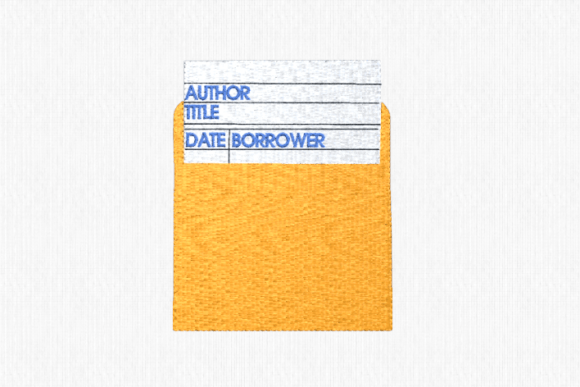
Upon loading the embroidery file into my digitizing software, the first impression of the Library Checkout Card is one of distinct charm and intellectual warmth. Unlike generic monograms or standard floral motifs, this design carries a specific narrative weight. It evokes feelings of nostalgia, learning, and quiet comfort. The aesthetic strikes a balance between classic elegance and playful retro vibes, making it versatile enough for both serious readers and whimsical nursery themes.
For a handmade product creator, this emotional connection is the primary selling point. Customers are not just buying thread on fabric; they are purchasing a memory or an identity. Whether intended for a retired teacher, a librarian, a book-loving bride, or parents decorating a nursery for their future scholar, this design communicates thoughtfulness. In my shop, products that tell a story consistently outperform generic decor, and this design provides that storytelling foundation effortlessly.
Strategic Applications for Personalized Gifts
During my product planning phase, I identified several high-potential applications for this design. Its rectangular shape and structured layout make it uniquely suited for items where space is defined but limited. Here is how I plan to utilize the Library Checkout Card across different categories:
- Literary Wedding Gifts: This design serves as an excellent alternative to traditional wedding crests. Stitched onto linen pillow covers or guest towels, it appeals to couples who bonded over books or work in education. It transforms a standard household item into a bespoke wedding gift with personal significance.
- Nursery and Baby Embroidery: For baby products, the design adds a sweet, vintage academic touch. I envision this centered on a receiving blanket or embroidered onto a canvas tote bag used for library visits. It signals to parents that the child’s literacy journey is cherished from day one.
- Kitchen and Home Textiles: Tea towels and aprons are staple sellers in my shop. The checkout card motif elevates a simple kitchen towel from a utilitarian object to a conversation piece. It is particularly effective for gifts targeting English teachers, librarians, or avid readers during Teacher Appreciation Week or graduation seasons.
- School Spirit and Alumni Merchandise: While categorized under School, this design transcends typical mascot logos. It works beautifully for alumni associations or homeschool co-ops looking for sophisticated custom embroidery options that feel mature yet spirited.
Technical Considerations and Fabric Limitations
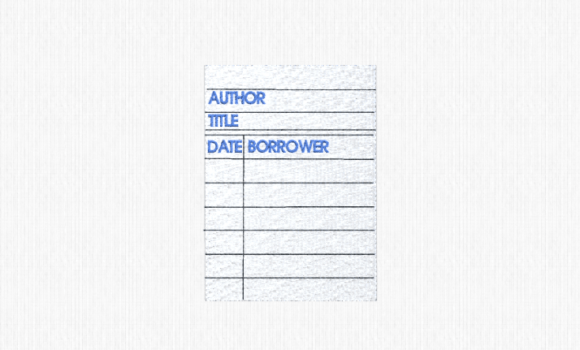
While the visual appeal is strong, practical execution requires careful attention to detail. As an experienced designer, I must highlight where caution is necessary to avoid production failures. The Library Checkout Card likely contains text elements and fine lines that mimic the look of a stamped paper card. These details dictate strict substrate limitations.
Text Legibility and Fabric Texture: If the design includes small lettering to simulate handwriting or typed dates, you must avoid highly textured fabrics like terry cloth or loose-weave linens. The texture can swallow fine stitches, rendering text illegible. For embroidered towel projects, always use a water-soluble topping to keep the stitches crisp and visible. On stretchy baby clothes or knit blankets, the risk of distortion is higher. You must use appropriate stabilizer combinations to prevent the "card" shape from warping during stitching.
Hoop Size and Placement: Before committing to a bulk order of blanks, verify the exact hoop size requirements. A design that looks proportional on a large pillow cover may overwhelm a baby bib or get lost on a king-sized duvet. Always create a printable mockup or test stitch on scrap fabric identical to your final product. This step confirms that the scale matches the intended application and that the stitch density is appropriate for the material weight.
Color Contrast and Washing: Library cards are traditionally associated with specific color palettes—manila, cream, black, and red. However, when adapting for dark fabrics, ensure there is sufficient contrast. White thread on cream fabric may look elegant in software but disappear in natural light. Furthermore, consider the end-use. Items like aprons and tea towels require frequent washing. Ensure your thread colors are colorfast and that the stitch density is durable enough to withstand laundering without fraying.
Enhancing Perceived Value and Buyer Engagement
In the competitive landscape of digital embroidery files and finished goods, perceived value drives sales. The Library Checkout Card enhances value through its specificity. A generic flower could be stitched by anyone, but a library card implies a curated selection. This perception allows for premium pricing on finished products because the customer feels they are receiving a specialized artisan service rather than mass production.
For Etsy sellers and digital product vendors, photography is paramount. When listing this design, do not rely solely on digital renders. Stitch out samples on varied backgrounds to show versatility. Photograph the finished product in context—an open book next to the embroidered pillow cover, or a stack of vintage novels beside the customized tote bag. This lifestyle imagery helps buyers visualize the emotional connection and increases engagement. Additionally, clearly state in your listings whether you offer customization services, such as adding specific names or dates to the card slots, as this significantly boosts conversion rates for personalized gift seekers.
Essential Pre-Production Checklist for Sellers
Before adding the Library Checkout Card to your active inventory or offering it as a standalone digital download, run through this practical checklist to protect your business reputation:
- Verify Licensing: Confirm the commercial licensing terms included with the embroidery file. Ensure you have the right to sell finished products or resell the digital file itself if that is your business model. Never assume usage rights.
- Test Stitch Density: Run a sample on your target fabric. Check the back of the embroidery; excessive jump stitches or dense areas can cause puckering or discomfort against skin, especially for baby embroidery items.
- Audit Thread Colors: Compare the design’s color chart against your physical thread inventory. Some digitizers use hundreds of shades; consolidate colors where possible to reduce production time and thread changes without sacrificing visual integrity.
- Check Small Details: Inspect the smallest elements after stitching. If serifs on letters or thin border lines are breaking, adjust the pull compensation or increase column width slightly before running customer orders.
- Create Accurate Mockups: If selling the digital embroidery file, provide clear previews showing the design on both light and dark backgrounds. Transparency regarding size and complexity reduces customer support inquiries and returns.
Final Thoughts for the Professional Maker
The Library Checkout Card represents more than just a seasonal trend; it is a timeless design element that speaks to the heart of the reading community. By approaching this machine embroidery design with technical diligence and creative empathy, you can transform a simple digital file into a cherished keepsake. Whether you are creating a wedding gift for a literary couple, a nursery item for a new parent, or a custom towel for a beloved educator, success lies in respecting both the artistry of the design and the physics of the fabric. Test thoroughly, market authentically, and let the inherent charm of this design bring joy to your customers and growth to your handmade business.