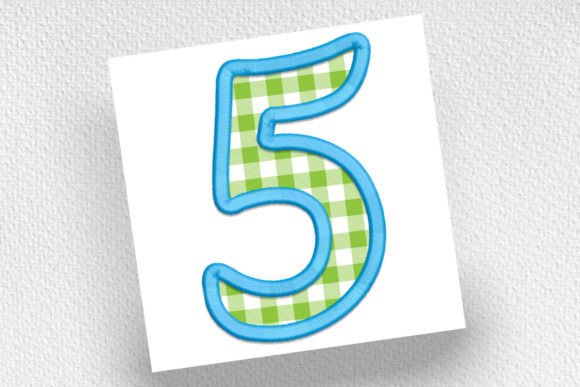
Applique Number 1: A Craft Fair Seller’s Review
First Impressions for the Market Table
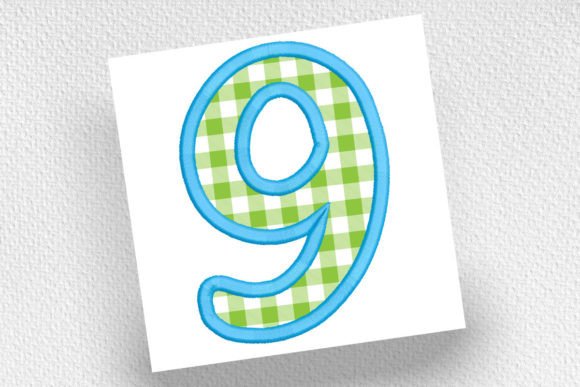
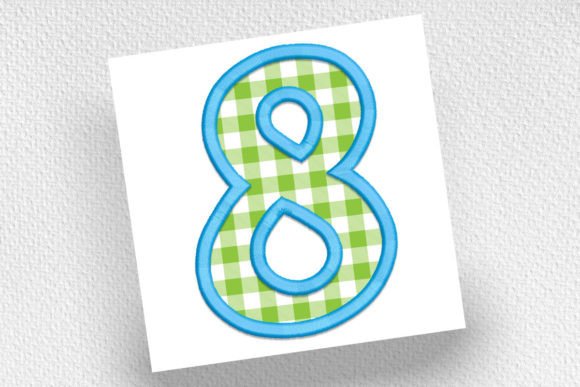
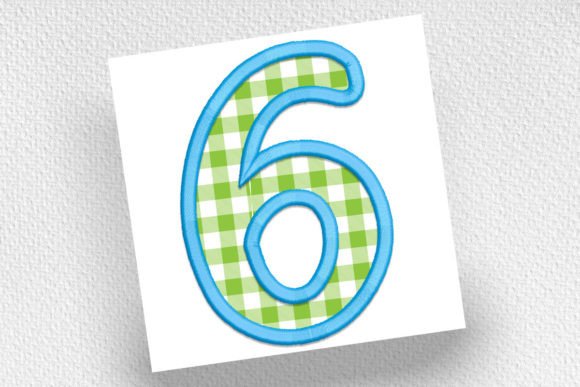
As an embroidery designer preparing for a weekend craft fair, my first question when loading a new machine embroidery design is always about shelf appeal. When reviewing Applique Number 1, the immediate impression is one of bold, cheerful utility. In the context of school-themed merchandise or personalized gifts, this design reads as modern and approachable rather than overly intricate or fussy. For a booth display, you need designs that communicate their purpose from five feet away, and Applique Number 1 succeeds here. The appliqué technique inherently creates texture and dimension that flat embroidery cannot achieve, making it a standout choice for customers browsing quickly through bins of handmade products.
The aesthetic leans toward a clean, boutique style that bridges the gap between nursery decor and elementary school gear. It does not feel dated or strictly utilitarian; instead, it possesses a handmade warmth that justifies a higher price point. As an Etsy seller or market vendor, this visual clarity is your best asset. Customers do not have to squint to understand what the item is or who it is for. This instant recognition reduces friction at the point of sale, allowing the tactile quality of the fabric and thread to close the deal.
Best Performing Products for Booth Sales
Not every embroidery file translates equally well across all inventory. Based on the structure of Applique Number 1, certain items will yield a higher return on investment for your production time. When stocking a table, prioritize substrates where the contrast between the base fabric and the appliqué fabric can shine.
- Tote Bags and Market Bags: This is arguably the strongest application for this design. A canvas tote featuring Applique Number 1 serves as both a functional school bag and a fashion statement. The sturdy nature of canvas supports the stitch density of appliqué without puckering, and the large surface area allows the number to be the focal point.
- Apron Embroidery: For parent-teacher events or classroom volunteers, a personalized apron is a high-value item. Applique Number 1 works beautifully centered on the chest pocket area or scaled larger across the bib. The texture adds a premium feel that elevates the apron beyond basic kitchen wear.
- Tea Towel Embroidery: While towels are a staple, textured terry cloth can sometimes swallow fine details. However, because this is an appliqué design, the solid fabric overlay sits on top of the towel pile, maintaining crisp edges. This makes it an excellent choice for "Grade 1" or "First Day of School" keepsake towels.
- Embroidered Patches: Creating standalone patches using this design allows for versatile inventory. These can be sold individually as add-ons at the register or applied to denim jackets and backpacks. Patches maximize the usage of the digital embroidery file with minimal material waste.
Production Practicality and Batch Efficiency
For a small shop product line, efficiency dictates profit margins. Applique Number 1 appears optimized for batch production, which is essential when prepping hundreds of units for a weekend event. The design likely utilizes standard placement lines and tack-down stitches that are easy to align, reducing operator error during long production runs. When you are hooping multiple items in succession, a design that forgives slight misalignments is invaluable.
From a photography standpoint, this design is highly cooperative. The defined edges of the appliqué create natural shadows and highlights, meaning your printable mockup or listing photos will look accurate without excessive editing. For online sellers, this accuracy reduces returns due to unmet expectations. Furthermore, the repeatability of this design means you can create cohesive collections. Pairing Applique Number 1 with matching monograms or smaller icons creates a bundled product opportunity that increases average order value.
Critical Technical Considerations for Makers
While Applique Number 1 is user-friendly, professional results require attention to technical variables. Before committing to a full production run for your craft fair product lineup, consider these specific constraints.
Fabric Texture and Stabilizer Selection
Appliqué relies heavily on the stability of the base fabric. If you are working with stretchy knits for children's clothing or loose-weave linens for home decor, you must use the correct stabilizer. A cut-away stabilizer is generally recommended for apparel to prevent the appliqué from distorting after washing. For tea towels or thick canvas, ensure your needle size is appropriate to penetrate the layers without causing deflection. Always test on scrap fabric that matches your final product weight exactly.
Hoop Size and Design Scaling
Verify the native hoop size of the embroidery file before resizing. While software allows scaling, reducing an appliqué design too much can cause the satin stitch border to overlap with the tack-down stitches, creating a dense, hard lump that is unpleasant to touch. Conversely, enlarging it significantly may leave gaps in the coverage if the internal fill isn't adjusted. Stick to the manufacturer’s recommended size range to maintain the intended stitch density and structural integrity.
Thread Colors and Contrast
The success of Applique Number 1 depends entirely on contrast. A dark navy appliqué on a black tote bag will disappear in dim indoor market lighting. Plan your thread colors and fabric pairings strategically. High-contrast combinations like cream on denim, red on white, or bright yellow on gray photograph better and attract the eye from a distance. Create a physical color chart for your booth so customers can visualize custom options without needing to see a finished sample of every variation.
Enhancing Brand Value and Customer Engagement
Incorporating Applique Number 1 into your inventory signals a commitment to quality craftsmanship. Unlike printed vinyl, which can peel or crack, a well-executed finished product using this design offers longevity that parents and teachers appreciate. This durability builds trust in your brand. When customers see consistent tension, smooth satin borders, and secure edges on your samples, they associate your entire shop with professional standards.
For commercial embroidery businesses, this design also offers licensing flexibility for customization services. Whether you are selling ready-made goods or offering on-site personalization, having a reliable, tested design like this in your library streamlines operations. Just remember to confirm the specific commercial license terms included with your purchase to ensure you are compliant when selling finished goods versus digital assets.
Designer’s Pre-Production Checklist
Before stitching out your first sellable unit of Applique Number 1, run through this essential verification process to protect your materials and reputation:
- Stitch Out Verification: Never skip the test sew. Check for registration issues between the placement line and the final border.
- License Confirmation: Review the terms specifically regarding design assets and finished product sales to avoid legal pitfalls.
- Mockup Creation: Photograph at least one real sample in natural light to verify color accuracy for your online listings.
- Wash Test: Launder your test piece to ensure the appliqué fabric doesn't fray excessively and the stabilizer holds up.
- Pricing Calculation: Factor in the extra time required for trimming appliqué fabric compared to standard embroidery when setting your prices.
By treating Applique Number 1 with professional scrutiny rather than assuming it is plug-and-play, you transform a simple digital file into a cornerstone product for your handmade business. The combination of visual impact, production efficiency, and perceived value makes this design a smart addition to any school-season or personalized gift collection.