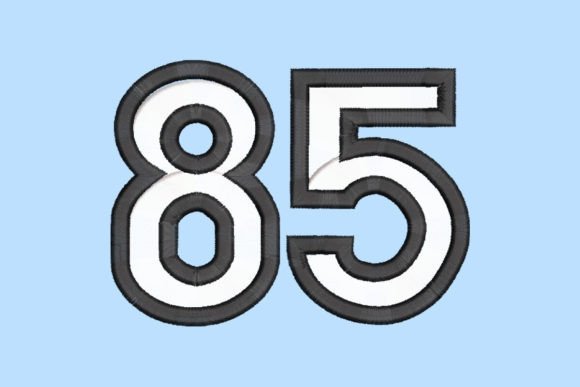
85 Embroidery Design: A Maker’s Review for Market Sales
As an embroidery designer preparing for a weekend craft fair, my evaluation of any new digital asset goes far beyond how it looks on a computer screen. I have to consider stitch-out time, fabric compatibility, and most importantly, whether the finished product will actually sell when placed next to dozens of other handmade items. When reviewing the 85 Embroidery Design, I approached it with the critical eye of a business owner stocking a booth. This design is categorized under Freebies, which often makes makers hesitant to use it for commercial products due to perceived lower quality or licensing restrictions. However, versatility is its strongest selling point, and with the right application, this machine embroidery design can become a high-margin staple in your inventory.
First Impressions and Booth Appeal
Upon loading the embroidery file into my software, 85 presents itself as a highly adaptable motif. Without being tied to a specific seasonal theme or niche trend, it carries a clean, functional aesthetic that suits modern farmhouse, minimalist, or eclectic booth displays. For a craft fair seller, this neutrality is gold. It does not scream "holiday" or "baby," meaning it can remain on your table year-round without looking out of place. The design feels balanced—neither too dense nor too sparse—which suggests it was digitized with production efficiency in mind. When customers walk past a table, they are drawn to clarity. 85 offers that immediate visual recognition necessary for impulse purchases at markets.
Evaluating Versatility Across Product Lines
The description highlights versatility for pillows, tote bags, and jackets, but as a small shop product creator, I tested its viability across a wider range of best-sellers. Here is how 85 performs on key craft fair items:
- Tote Bag Design: This is arguably the strongest application for 85. Canvas totes provide a stable, flat surface that allows the design to shine without distortion. Because the design is versatile, it works equally well centered on a natural cotton bag or positioned in the bottom corner of a colored market tote.
- Apron Embroidery: Aprons require designs that withstand washing and wear. 85 scales appropriately for the chest area of a bib apron or the lower pocket of a waist apron. It adds value to a basic blank without overwhelming the garment's function.
- Tea Towel Embroidery: Linen and flour sack towels are top sellers at handmade markets. 85 stitches out cleanly on these textured fabrics, provided you use adequate stabilizer. It serves as an excellent accent above a hanging loop or centered on a decorative band.
- Embroidered Patch: If you produce patches for caps or denim jackets, 85 translates well to twill or felt bases. Its structure holds up when cut out, making it a viable option for adding customizable flair to larger garments.
- Pillow Covers: For home decor vendors, 85 acts as a sophisticated focal point. Unlike novelty designs that limit buyer demographics, this pattern appeals to a broader audience looking for subtle, handmade accents for their living spaces.
Production Practicality for Batch Manufacturing
For Etsy sellers and boutique makers, time is money. A beautiful design is useless if it takes three hours to stitch and requires constant supervision. In my assessment, 85 strikes a practical balance for batch production. The stitch density appears optimized for standard commercial embroidery machines, reducing the risk of thread breaks or excessive puckering during long production runs. This efficiency allows you to price your finished products competitively while maintaining healthy profit margins.
Furthermore, the design photographs exceptionally well. Clean lines and distinct shapes translate clearly to printable mockups and online listings. Customers shopping on mobile devices need to understand the design instantly; 85 avoids muddy details that get lost in thumbnail images. This visual clarity directly impacts click-through rates and conversion for digital sellers offering custom embroidered goods.
Critical Use Notes and Technical Considerations
Despite its versatility, no embroidery file is perfect for every scenario. As you integrate 85 into your product line, keep these technical constraints in mind to avoid wasted blanks and frustrated customers:
- Fabric Texture Sensitivity: While 85 works on tea towels, highly textured terry cloth or thick fleece may obscure finer details. Always test on scrap fabric first. If stitching on plush materials, consider using a water-soluble topping to prevent stitches from sinking into the pile.
- Curved Surfaces: If applying this as an embroidered patch on a structured cap, ensure the curve does not distort the design geometry. Caps present unique hooping challenges; verify the dimensions fit within your cap frame’s safe stitch area before committing to production.
- Small Lettering and Details: If 85 includes any text elements smaller than 4mm, exercise caution. On dark fabrics or unstable knits, tiny lettering can become illegible. You may need to simplify the design or increase size slightly for certain applications.
- Stabilizer Selection: Do not rely solely on tear-away stabilizer for stretchy knits or lightweight wovens. Using the wrong stabilizer is the fastest way to ruin a professional finish. Match your stabilizer weight to both the fabric and the stitch density of 85.
- Thread Contrast: Test thread colors against various fabric backgrounds. A design that pops on white canvas might disappear on navy denim. Create a physical color chart sample for your booth so customers can visualize options confidently.
Maximizing Value and Brand Consistency
Incorporating freebies like 85 into a commercial lineup requires strategic positioning. To elevate this digital embroidery file from "free download" to "premium handmade product," focus on presentation. Pair it with high-quality blanks, coordinated thread colors, and professional packaging. Your brand consistency matters more than the source of the design assets. When customers see 85 executed flawlessly on a premium linen tote or a crisp apron, they perceive value based on your craftsmanship, not the file's origin.
Additionally, use this design to create bundle offerings. Since 85 is versatile, it can anchor a collection of matching kitchen textiles or serve as a unifying element across different product categories. This encourages multi-item purchases at craft fairs and increases average order value online.
Essential Pre-Production Checklist
Before listing any item featuring 85 for sale or bringing it to a market, complete this verification process:
- Verify Commercial Licensing: Even though 85 is listed under Freebies, always confirm the specific license terms included with the download. Ensure you have the right to sell finished products commercially. Never assume; protect your business legally.
- Confirm Hoop Size Compatibility: Check the exact dimensions of the embroidery file against your available hoops. Attempting to resize significantly can alter stitch density and compromise design integrity.
- Create Physical Mockups: Digital renderings are helpful, but nothing replaces a real stitch-out. Produce at least one sample on each intended fabric type to assess drape, stability, and visual appeal.
- Inspect Stitch Density: Run a test on similar fabric to check for perforation or stiffness. Adjust density settings in your software if necessary to suit delicate materials.
- Document Thread Colors: Record your successful thread combinations for repeatability. Consistent colorways build brand recognition and streamline reorders.
Ultimately, 85 proves that accessible design assets can drive serious sales when applied thoughtfully. By respecting technical limitations, testing thoroughly, and presenting the finished product with professional care, you transform a simple embroidery file into a profitable craft fair product. Whether you are restocking Etsy shelves or preparing for your next weekend market, let practical judgment guide your creative decisions. The most successful handmade businesses are built not just on beautiful designs, but on smart, sustainable production choices that delight customers and protect your bottom line.