Beautiful Small Letter Vide: A Craft Fair Review
As an experienced embroidery designer preparing for a weekend craft fair, I approach every new machine embroidery design with a critical eye. It is not enough for a digitized file to simply stitch out correctly on my screen; it must translate into a profitable craft fair product that catches the attention of shoppers walking past my booth. When evaluating the "Beautiful Small Letter Vide" motif, I am looking at its potential to drive sales across multiple categories, from personalized apparel to home goods. This review breaks down how this specific design performs in a real-world commercial setting, focusing on production efficiency, visual appeal, and marketability for fellow Etsy sellers and boutique makers.
First Impressions and Visual Character
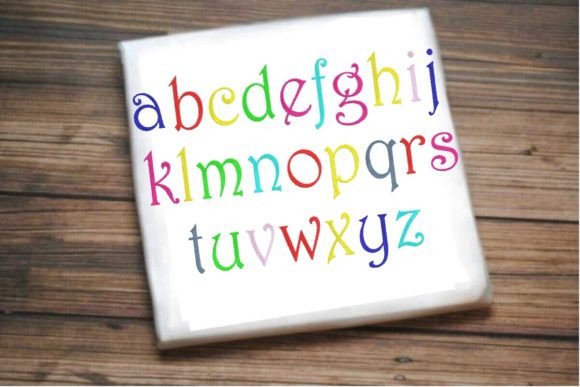
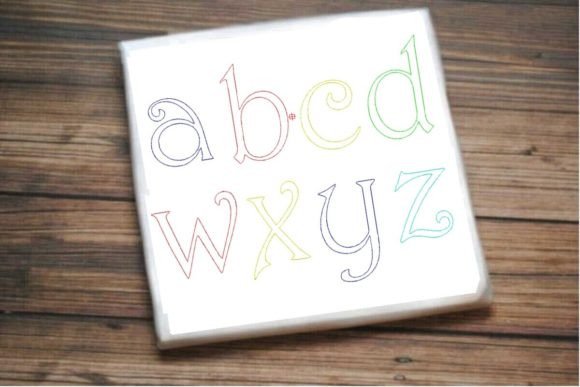
Upon loading the embroidery file, Beautiful Small Letter Vide immediately presents itself as a versatile, elegant option. Based on the title and description, this motif leans toward a refined, classic aesthetic rather than a bold or rustic style. The term "vide" suggests a delicate script or ornamental lettering often associated with vintage monograms or French-inspired typography. For a handmade product lineup, this implies a soft, premium feel that appeals to customers looking for sophistication over novelty.
The design feels inherently personal. Because it is described as perfect for personalizing names on t-shirts and caps, I view this as a high-value customization asset. At a craft fair, customers are drawn to items that feel bespoke. This design does not scream for attention from twenty feet away like a large logo might; instead, it invites closer inspection. It signals quality and thoughtfulness, making it an excellent candidate for higher-margin items where the buyer values the "custom" aspect of the purchase.
Top Performing Products for Market Sales
When stocking a table display, I need to know which blanks will make Beautiful Small Letter Vide shine. Not every item suits small, intricate lettering. Here is my assessment of where this design generates the best return on investment:
- Caps and Hats: As explicitly noted in the product description, this is a primary use case. Small script lettering curves beautifully on the front panel of a cap. However, because caps are curved and textured, this application requires precise hooping and stabilization to prevent registration issues.
- Tote Bag Design: A canvas tote is a staple small shop product. Beautiful Small Letter Vide works exceptionally well here as a personalized name or initial near the top rim or centered on the pocket. The contrast of fine thread against sturdy canvas creates a desirable textural interplay.
- Apron Embroidery: For kitchenware vendors, this motif adds a touch of elegance to utility. Placing a small name or monogram on the chest bib or lower pocket transforms a generic apron into a cherished gift. This is a strong seller during holiday markets.
- Tea Towel Embroidery: Linen and cotton tea towels provide a smooth surface ideal for small lettering. The design’s delicate nature complements the domestic, cozy vibe of kitchen textiles without overwhelming the fabric's function.
- Embroidered Patch: If you produce patches for resale, this lettering style is perfect for creating custom name tags or club insignias. Patches allow you to batch-produce inventory before the fair, reducing on-site customization pressure.
Production Practicality and Booth Display Strategy
For a busy commercial embroidery business, time is money. Beautiful Small Letter Vide appears to be a "quick stitch" design due to its small footprint. This is a massive advantage for craft fairs where turnaround time matters. If offering on-site personalization, a design with lower stitch density allows you to complete more orders per hour. Even for pre-made stock, smaller designs mean less thread consumption and faster machine runtimes, improving your profit margins on each finished product.
Visually, this design serves as a powerful anchor for booth displays. While large designs grab attention, small details close the sale. I recommend using this motif on sample items placed at eye level or within arm's reach. When a customer picks up a tote bag or leans in to look at a cap, the crispness of the Beautiful Small Letter Vide stitching confirms the handmade quality. For online sellers, this detail-oriented nature photographs well in macro shots, showcasing the texture and precision that justifies a premium price point on platforms like Etsy.
Batch Production and Repeatability
Consistency is key for brand recognition. Because this is a letter-based motif, it is highly repeatable. You can create a cohesive collection of gifts—matching mom-and-me sets, bridal party accessories, or uniform-style market aprons—using the same design assets. This uniformity makes your booth look professional and curated rather than cluttered. For digital sellers offering a digital embroidery file, emphasizing this versatility in your listing photos helps buyers visualize multiple end uses, increasing the perceived value of the freebie or paid download.
Critical Technical Considerations and Careful Use Notes
Despite its beauty, small lettering is unforgiving. As a designer, I must flag several technical risks associated with Beautiful Small Letter Vide to ensure your products meet professional standards:
- Small Lettering Clarity: Tiny text is the most common failure point in machine embroidery. If the letters are too thin or spaced too tightly, they may merge or become illegible on textured fabrics. Always verify the minimum readable size before committing to a production run.
- Fabric Texture Compatibility: Avoid using this delicate design on high-pile towels, fleece, or heavily slubbed linens without proper preparation. The stitches can sink into the nap, rendering the name invisible. Use a water-soluble topping to keep the stitches on the surface.
- Stabilizer Selection: For caps and stretchy t-shirts, cut-away stabilizer is non-negotiable to prevent distortion. For woven tea towels, a tear-away may suffice, but test first. The wrong stabilizer choice will cause puckering around small letters, instantly devaluing the item.
- Thread Contrast: Subtle tone-on-tone embroidery looks luxurious but reads poorly in dimly lit craft fair tents. Opt for high-contrast thread colors for booth samples to ensure visibility. Save low-contrast versions for custom orders where the client specifically requests them.
- Hoop Size Limitations: Confirm your hoop size accommodates the full design plus adequate margin for clamping. Small designs often tempt users to use tiny hoops, but insufficient tension area leads to flagging and misalignment.
Designer’s Pre-Production Checklist
Before listing Beautiful Small Letter Vide as part of your inventory or downloading it for commercial use, execute this mandatory testing protocol. Never assume a freebies category file is production-ready without verification.
- Test Stitch on Scrap: Run the design on the exact fabric you intend to sell. A test on quilting cotton does not predict performance on a structured cap or stretchy jersey.
- Check Licensing: Verify if the source permits commercial use of the embroidery file for finished products. Some free designs are for personal use only. Protect your business by confirming rights before selling.
- Create a Real Mockup: Do not rely solely on software simulations. Create at least one physical printable mockup or photograph a real sample. Customers need to see actual stitch texture, not just a digital rendering.
- Inspect Spacing and Kerning: Zoom in on the digitized file. Ensure there is adequate space between letters to prevent thread breaks or bunching during high-speed stitching.
- Evaluate Customization Workflow: Since the description mentions customization, test your editing workflow. How long does it take to change the name? Does the design maintain integrity when resized slightly for different garments? Efficiency here dictates your pricing model.
Beautiful Small Letter Vide holds significant promise for embroidery entrepreneurs who value elegance and personalization. By respecting the technical limitations of small lettering and strategically applying it to high-value blanks like caps, totes, and aprons, you can transform this delightful motif into a cornerstone of your craft fair success. Remember, in the handmade market, the difference between a browse and a buy often lies in the flawless execution of the smallest details.