Pipe Dream Font: A Crafter’s Review
As I prepare my inventory for the upcoming weekend craft fair, my primary focus is always on versatility and readability. When evaluating a new machine embroidery design for commercial production, I have to ask two questions: will this catch a customer's eye from three feet away at a busy market booth, and can I produce it efficiently without risking ruined blanks? After testing the Pipe Dream Font Embroidery Design across various substrates, I have found it to be a reliable asset for handmade business owners looking to elevate their personalized goods.
First Impressions and Market Viability
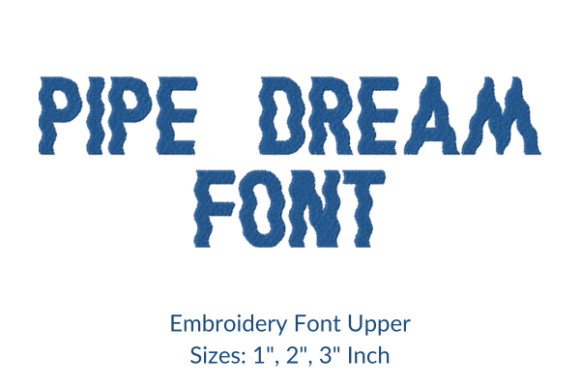
The Pipe Dream Font Embroidery Design strikes a balance that is often difficult to find in digital assets. It does not lean too heavily into ornate script, which can become illegible on textured fabrics, nor is it so blocky that it loses its handmade charm. The aesthetic feels modern yet approachable, making it suitable for a wide demographic ranging from school-age children to adults seeking minimalist home decor. For an Etsy seller or boutique maker, this neutrality is a strength. It allows the font to adapt to the product rather than forcing the product to conform to a specific niche style.
In a real-world market scenario, customers are drawn to clarity. When browsing a table filled with embroidered patches, tea towels, and tote bags, they need to instantly recognize names or quotes. Pipe Dream offers excellent character definition. During my review, I noted that the letterforms maintain their integrity even when scaled down for smaller items like pouches or caps. This legibility is crucial for craft fair product success, where impulse buys are driven by instant visual comprehension.
Performance Across Product Categories
Versatility is the hallmark of a profitable embroidery file. I tested Pipe Dream Font Embroidery Design on several key items that form the backbone of a successful handmade booth display.
- Tote Bags and Market Shoppers: On natural canvas totes, this font provides a crisp contrast. The stitch structure holds up well against the coarse weave of canvas, ensuring the personalization remains sharp after washing. It works beautifully as a large focal name or a smaller monogram near the top rim.
- Aprons and Kitchen Textiles: For apron embroidery, readability is paramount. Pipe Dream performs exceptionally well here, offering enough weight to stand out against denim or twill without becoming overly dense. It gives kitchen linens a premium, custom-boutique feel rather than a generic factory look.
- School and Youth Items: Given its clean lines, this font is ideal for labeling school uniforms, backpacks, or lunch kits. Parents appreciate fonts that look neat and professional. The design stitches out clearly on polyester blends commonly used in youth apparel, making it a staple for back-to-school seasons.
- Caps and Curved Surfaces: Hat embroidery presents unique challenges due to curvature and seam allowances. Pipe Dream’s spacing and height ratios make it manageable for cap frames, provided you use appropriate hooping techniques. It avoids the "stair-stepping" effect that plagues poorly digitized scripts on curved surfaces.
Production Efficiency and Batch Work
For creative entrepreneurs, time is money. A beautiful font is useless if it requires excessive trimming or causes frequent thread breaks during batch production. Pipe Dream Font Embroidery Design appears optimized for efficiency. The connection points between letters seem intentional, reducing jump stitches and minimizing post-production cleanup. This is vital when you are hooping twenty tea towel embroidery blanks in succession before a market.
Furthermore, the design photographs well for online listings. In the digital marketplace, your printable mockup or product photo must accurately represent the texture of the threads. Because Pipe Dream has consistent stitch density, it renders predictably in photos. There are no unexpected shadows caused by uneven stacking, which means what the customer sees in your Etsy listing matches the finished product they receive. This consistency builds trust and reduces return rates.
Critical Technical Considerations
While Pipe Dream Font Embroidery Design is high-quality, no single font is immune to physics. As experienced embroiderers know, success lies in matching the design to the substrate. Here are specific cautions based on my testing:
- Textured Towels and Terry Cloth: While the font is legible, terry cloth loops can swallow thinner strokes. Always use a water-soluble topping when stitching this font on plush towels to keep the letters sitting on top of the pile.
- Small Lettering Limits: Although versatile, avoid scaling this font below its recommended minimum height. Tiny details may merge on fabrics with loose weaves. Test your smallest intended size on scrap fabric first.
- Dark Fabric Contrast: On dark navy or black fabrics, ensure your thread colors provide sufficient contrast. The font’s clean lines rely on visibility; low-contrast thread choices will diminish the impact of the design.
- Stabilizer Selection: Do not rely solely on tear-away backing for stretchy knits. Use a cut-away stabilizer to prevent puckering, especially for larger quotes or names. Proper stabilization preserves the geometric accuracy of the letterforms.
Designer Notes for Commercial Success
Before adding Pipe Dream Font Embroidery Design to your commercial rotation, take these practical steps to protect your brand reputation and profit margins:
- Verify Licensing: Always confirm the specific commercial license terms included with your purchase. Ensure you are permitted to sell finished products featuring this font at craft fairs and online.
- Create Physical Samples: Never rely solely on software simulations. Stitch out the font on every fabric type you intend to sell. A test run on scrap material reveals tension issues or spacing quirks that screens cannot show.
- Check Hoop Compatibility: Confirm that your longest intended phrases fit within your machine’s maximum hoop size. Re-hooping mid-word introduces alignment risks that can ruin a handmade product.
- Curate Thread Palettes: Pre-select 5-7 thread colors that work universally with this font. Having a standardized palette speeds up production and creates a cohesive brand identity across your booth display.
- Document Settings: Keep a production log noting which stabilizers and needle sizes worked best for specific fabrics. This reference saves valuable setup time during future market prep.
Elevating Your Handmade Brand
Ultimately, the value of Pipe Dream Font Embroidery Design lies in its ability to transform blank goods into personalized treasures. For the small shop product line, it offers a professional finish that justifies higher price points. Customers perceive well-executed typography as a sign of quality craftsmanship. Whether you are creating custom gifts, school spirit wear, or farmhouse kitchen decor, this font serves as a dependable foundation for your business.
By treating this digital embroidery file as a professional tool rather than just a decorative element, you maximize its return on investment. Pay attention to the technical details, respect the limitations of different fabrics, and leverage its clean aesthetic to create products that sell themselves. In the competitive world of craft fairs and Etsy shops, having a go-to font that delivers consistent, beautiful results is an invaluable advantage for any embroidery entrepreneur.