Hourglass: A Designer’s Review for Real Projects
When evaluating a new machine embroidery design for my studio, I look beyond the digital preview. I need to know how it behaves under the needle and whether it will actually sell or satisfy a client. The Hourglass design immediately caught my attention as a versatile motif that bridges the gap between vintage nostalgia and modern minimalism. As an experienced designer and product reviewer, I have stitched out countless motifs, and this one presents a unique opportunity for both personal crafting and commercial production. It is not just a shape; it is a narrative element that suggests the passage of time, patience, and classic elegance.
First Impressions and Visual Personality
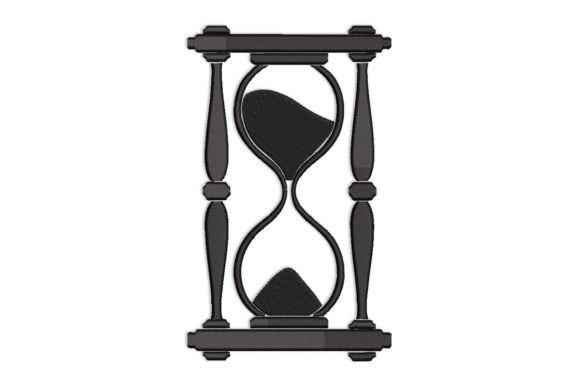
My initial assessment of Hourglass focuses on its silhouette and emotional resonance. In the world of embroidery, simple geometric shapes can sometimes feel sterile, but this design carries a distinct whimsy and charm. The layout feels balanced, making it an excellent candidate for center-chest placement on custom apparel or as a focal point on home decor. Unlike overly complex illustrations that can get lost on textured fabrics, the strong lines of an hourglass typically translate well into thread. It possesses a visual weight that commands attention without overwhelming the substrate, which is crucial when designing for items like tea towels or nursery blankets where the fabric itself is part of the aesthetic.
For those in the School category or creating educational materials, this motif serves a dual purpose. It is decorative yet symbolic, making it appropriate for academic gifts, graduation keepsakes, or teacher appreciation items. However, its appeal extends far beyond scholastic themes. The timeless nature of the hourglass allows it to function as a neutral accent in a boutique collection or a specific thematic element in a historical reproduction project.
Real-World Application: Stitching a Custom Tote Bag
To truly understand the utility of this embroidery file, I mentally walked through a recent client request for a personalized canvas tote bag design. The client wanted something that felt "studious yet stylish" for a university student. Hourglass was the perfect solution. When stitching on canvas, the primary concern is coverage. Canvas has a coarse weave, and delicate details can disappear. Because the hourglass shape relies on clear outlines and defined negative space, it performs exceptionally well on this heavier substrate.
In this scenario, I would likely pair the design with a serif font to enhance the academic vibe. The vertical orientation of the hourglass complements text placed above or below it, creating a cohesive lockup for a handmade product. For a small shop product listing on Etsy, this combination photographs beautifully. The distinct shape reads clearly in thumbnail images, which is vital for buyer engagement. Furthermore, because tote bags are high-wear items, the structural integrity of the hourglass shape means it is less likely to distort during washing compared to intricate floral or lace designs.
Fabric Compatibility and Stabilizer Strategy
While Hourglass is versatile, it requires thoughtful preparation depending on your chosen material. If you are planning sweatshirt embroidery, you must account for the stretch and pile of fleece. A standard tear-away stabilizer often fails here. I recommend using a cut-away stabilizer to prevent the design from puckering or sinking into the fabric nap. The stitch density should be checked before running a production batch; if the design is too dense for fleece, it can create a bulletproof patch effect that ruins the garment's drape. Conversely, if it is too sparse, the fleece will show through.
For lighter applications like baby embroidery on onesies or muslin swaddles, the approach changes entirely. Here, the goal is softness. You may need to reduce the density or use a water-soluble topping to keep stitches crisp without adding bulk. Always test on a scrap of the exact fabric you intend to use. This step is non-negotiable for professional results. When working with dark fabrics, ensure your thread colors provide sufficient contrast. An hourglass relies on its outline; if you stitch navy thread on black fabric without a contrasting border or highlight, the design will vanish.
Commercial Viability for Makers and Sellers
For Etsy sellers and creative entrepreneurs, time is money. Hourglass offers excellent commercial potential because of its adaptability. It works equally well as a standalone icon or as part of a larger composition. I can envision this design being used effectively in holiday embroidery collections, symbolizing the countdown to Christmas or New Year’s Eve. It also fits seamlessly into wedding merchandise, representing "timeless love."
From a business perspective, having a reliable, multi-use digital embroidery file in your library reduces design fatigue. Instead of digitizing a new concept for every seasonal shift, you can recontextualize Hourglass with different color palettes and accompanying text. This consistency helps build brand recognition. Customers begin to associate your shop with clean, thoughtful aesthetics. However, always verify the licensing terms included with the file. Ensure you have the right to sell finished products or use the design in printable mockups for your listings. Respecting intellectual property is foundational to maintaining trust in the maker community.
Technical Considerations and Potential Pitfalls
No design is without limitations. When reviewing Hourglass for real project use, I advise caution with extremely small hoop sizes. While the shape is simple, scaling it down too far can cause registration issues, especially if there are internal details or lettering integrated into the glass bulbs. Tiny satin stitches can become jagged or break needles if pushed beyond their minimum width limits.
Additionally, consider the texture of your target fabric. Highly textured surfaces like terry cloth towels require a wash-away stabilizer on top to prevent the stitches from getting buried. If you are creating an embroidered patch, ensure the border definition is robust enough to withstand cutting and merrowing. For commercial embroidery runs on caps, the curved surface adds another layer of complexity. The vertical symmetry of an hourglass can look distorted on a curved brim if not properly compensated during digitizing. Always run a sew-out on the actual cap style before committing to a full order.
Enhancing Value Through Presentation
The perceived value of a personalized gift or boutique item often hinges on presentation. Hourglass lends itself to sophisticated styling. When photographing your finished work, avoid cluttered backgrounds. Let the clean lines of the embroidery stand out. Use natural lighting to show the sheen of the thread and the texture of the stitches. For digital product sellers offering this as a design asset, provide accurate color charts and size variations. Buyers appreciate knowing exactly what they are getting.
Ultimately, the success of using Hourglass lies in matching the design to the right application. It is a tool that, when used correctly, elevates the professionalism of your work. Whether you are embellishing a pillow cover for a craft fair or producing a line of custom aprons for a cafe, this design offers a blend of charm and practicality that is hard to find. By paying attention to stabilizer choices, fabric compatibility, and commercial licensing, you can transform this digital file into tangible, profitable, and beautiful embroidered goods.
Designer’s Checklist Before Stitching
- Verify Hoop Size: Confirm the design dimensions fit your machine’s hoop with adequate margin for tension.
- Check Stitch Count: Review the provided data to estimate run times and thread consumption for pricing.
- Test Sew-Out: Never skip testing on the actual project fabric to check for density and registration issues.
- Contrast Check: View the design in grayscale to ensure visibility on your chosen fabric color.
- Stabilizer Match: Select the correct backing and topping based on fabric weight and stretch.
- License Review: Double-check usage rights for commercial sales or digital redistribution.